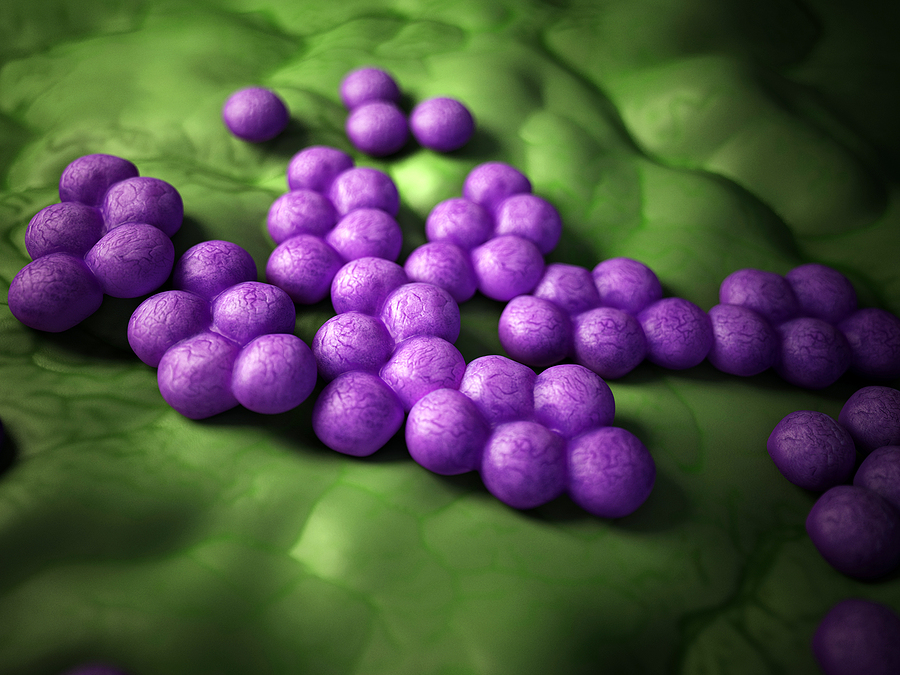
Staph infection
Staphylococcus aureus lives harmlessly on about a third of us. When it gets through the skin it causes boils, abscesses, infected wounds and cellulitis. MRSA is the antibiotic-resistant version of the same bacterium — this page covers both, and points to the detail on each.
Written by David Roberts, editor · Updated
Checked against current CDC and IDSA guidance. Not medically reviewed. How we source this
Staph, MSSA and MRSA
"Staph infection" nearly always means Staphylococcus aureus. Laboratories then split it into two groups by antibiotic susceptibility: MSSA, which responds to the ordinary penicillin-family drugs, and MRSA, which does not. The bacterium is the same shape, spreads the same way and causes the same infections; only the treatment changes. See MSSA vs MRSA for the full comparison.
What a staph infection looks like
On the skin, staph produces a small set of recognisable patterns. Almost everyone searching for pictures is looking at one of these:
- Boil or abscess — a deep, painful, pus-filled lump. Full detail
- Folliculitis — small pus-topped bumps around hair follicles. Full detail
- Cellulitis — a flat, spreading, hot red area rather than a lump. Full detail
- Infected wound — a cut or surgical site that turns red, weeps and stops healing.
- Something taken for a spider bite — the most common first impression. Staph vs pimple
For a stage-by-stage walkthrough of every appearance, see what does a staph infection look like — or the resistant-strain version, what MRSA lesions look like.
Is a staph infection contagious?
Yes, by contact rather than through the air. It travels on hands, on skin-to-skin contact and on shared objects — towels, razors, bedding, gym equipment, dressings. Intact skin is a good barrier, so the risk is concentrated where skin is broken. A draining lesion is treated as contagious until it is covered, dry and healing.
The full answer — how long someone stays infectious, household rules, and when school, work and sport are safe again — is on is a staph infection contagious? The setting-by-setting version for resistant strains is on is MRSA contagious?
How staph infections are treated
The single most important step for an abscess is drainage; antibiotics alone often will not clear a walled-off collection of pus. Which antibiotic follows depends on the culture result:
| Situation | Usual approach |
|---|---|
| Small abscess, otherwise well | Incision and drainage; antibiotics sometimes not needed |
| MSSA skin infection | Flucloxacillin, dicloxacillin or cephalexin |
| MRSA skin infection | Doxycycline, trimethoprim-sulfamethoxazole or clindamycin |
| Bloodstream or deep infection | Intravenous therapy in hospital, typically two weeks or more |
Which antibiotics cover staph, which never will, and how long courses run is set out on antibiotics for a staph skin infection. The full drug-by-drug picture is on every MRSA antibiotic, and the practical treatment path is on treating skin and soft-tissue infection.
When to seek help urgently
- Fever or chills alongside a skin lesion
- Redness spreading quickly, or red streaks running from the wound
- Severe pain, or a lesion growing by the hour
- Any significant lesion in a baby, or in someone with diabetes, cancer treatment or a weakened immune system
- Confusion, breathlessness or feeling profoundly unwell — see when staph and MRSA become dangerous
Preventing another one
Wash hands, keep wounds covered until healed, do not share towels or razors, wash bedding and towels hot, and clean shared gym equipment before use. If infections keep returning in the same person or household, ask a clinician about decolonisation and read why MRSA keeps coming back.
Frequently asked questions
What is a staph infection?
What does a staph infection look like?
Is a staph infection contagious?
How do you get a staph infection?
What antibiotics treat a staph infection?
What is the difference between staph and MRSA?
Can a staph infection go away on its own?
How long does a staph infection last?
- CDC. Staphylococcus aureus and MRSA infections (2024)
- NHS. Staphylococcal infections (2023)
- Stevens D.L. et al., IDSA. Practice guidelines for the diagnosis and management of skin and soft tissue infections (2014)
- Liu C. et al., IDSA. Clinical practice guidelines for the treatment of MRSA infections (2011)
What is MRSA bacteria?
The organism, how resistance works and how it enters the body.
MRSA strains
USA300, hospital and community strains, and how they differ.
MSSA vs MRSA
Same bacterium, different antibiotic susceptibility.
Merca (MRSA)
The common misspelling explained: causes, symptoms and treatment.
Is MRSA a virus?
Why MRSA is bacterial, not viral, and why that changes treatment.
MRSA in children & babies
How MRSA presents in children, nurseries and newborn units.
MRSA in dogs & animals
Pets, livestock and passing MRSA between people and animals.