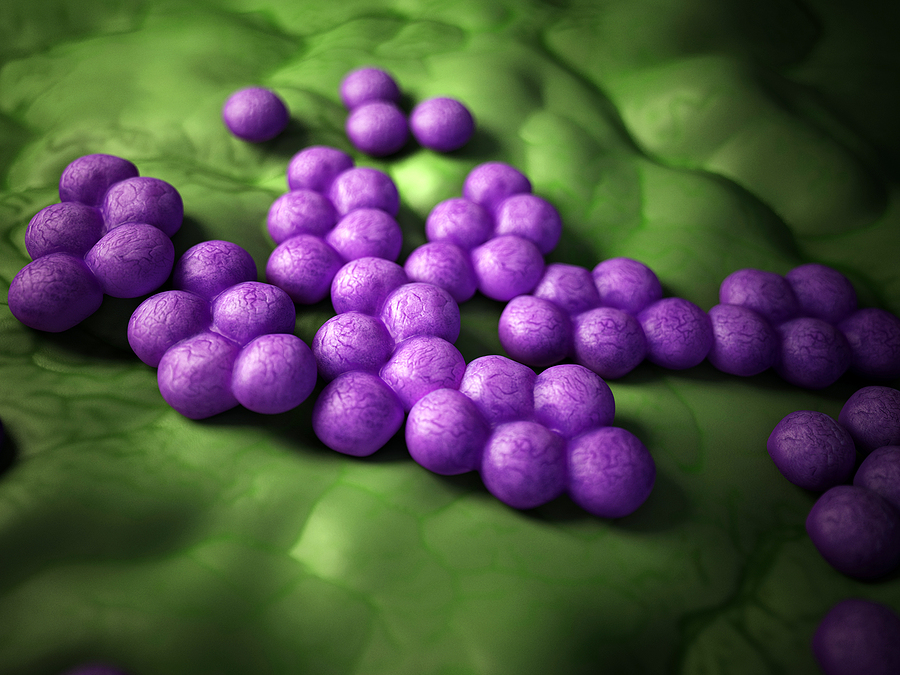
Bactroban (mupirocin) for MRSA
Bactroban is the best-known brand name for mupirocin, a topical antibiotic that both treats bacterial skin infections and clears MRSA from the nose during decolonisation.
Written by David Roberts, editor · Updated
Checked against current CDC and IDSA guidance. Not medically reviewed. How we source this
What Bactroban is and how it works
Bactroban contains mupirocin, a member of the pseudomonic acid class of antibiotics. Unlike penicillins or macrolides, mupirocin does not attack the bacterial cell wall or ribosome. Instead, it inhibits isoleucyl-tRNA synthetase, the enzyme that bacteria need to build proteins containing the amino acid isoleucine. That unique mechanism is why mupirocin can kill many staphylococci, including MRSA, and why cross-resistance with other antibiotic classes is rare.
It is available in two main forms: a 2% skin ointment or cream for infections such as impetigo, and a 2% nasal ointment used to remove staphylococcal carriage from the front of the nose.
Origins and history
Mupirocin was discovered in the 1970s in the UK from a soil bacterium, Pseudomonas fluorescens. Researchers at Glaxo (now part of GSK) identified a fermentation product — originally called pseudomonic acid A — that showed potent activity against Staphylococcus aureus. Because it was broken down rapidly in the bloodstream and caused problems when given by injection, it was developed as a topical medicine rather than a tablet or IV drug.
The drug was launched under the brand name Bactroban and quickly became the standard topical treatment for impetigo and, later, for MRSA nasal decolonisation. Generic mupirocin is now widely used in hospitals as part of bundles to reduce surgical-site and bloodstream infections.
What Bactroban is used for
- Impetigo — a highly contagious superficial skin infection, often around the nose and mouth.
- Folliculitis and minor wound infections — small infected hair follicles, cuts, grazes or insect bites.
- Secondary infected skin lesions — for example eczema or dermatitis that has become colonised with bacteria.
- Nasal MRSA/MSSA decolonisation — the main use in MRSA prevention, either to stop recurrent skin infections or before surgery in high-risk patients.
It is not used for acne, fungal rashes, cold sores, warts, or deep abscesses. Deep infections need drainage and systemic antibiotics.
Side effects and safety
Mupirocin is generally well tolerated because it is poorly absorbed through intact skin. The most common problems are local:
- Burning, stinging or itching at the site.
- Redness, dryness, rash or mild skin irritation.
- With the nasal ointment: altered taste, runny nose, sore throat or headache.
Serious allergic reactions are rare. Seek medical help if you develop severe swelling, blistering, hives, or difficulty breathing. Do not use it on large open wounds, deep burns, or inside the eyes, mouth or vagina. Tell a clinician if you are pregnant, breastfeeding, or if the treated area does not improve within 3–5 days.
Mupirocin resistance
Resistance is the main reason mupirocin should be used sparingly and exactly as prescribed. There are two recognised patterns:
- Low-level resistance — often due to themupA gene, which alters the target enzyme. This is usually linked to prolonged or repeated use, especially in hospital settings where decolonisation is performed repeatedly.
- High-level resistance — less common and can make the drug effectively useless for that strain.
Using mupirocin only for the recommended indication and duration, and avoiding it for minor skin problems that do not need antibiotics, helps keep the drug working for MRSA prevention.
Bactroban and MRSA decolonisation
For recurrent MRSA, the standard decolonisation regimen pairs a 5-day course of mupirocin 2% nasal ointment with daily chlorhexidine 4% body washes. A pea-sized amount of ointment is applied to the inside of each nostril twice daily, then the nostrils are gently squeezed together. The ointment should be continued for the full 5 days even if symptoms improve.
Household members may also be treated simultaneously if recurrence has been a problem. The full protocol, including laundry and personal-item changes, is covered in the recurrence and decolonisation page.
Related in prevention
Back to the prevention hub, or read about why MRSA keeps coming back, preventing it at home, in hospitals, in sports and during intimacy.
Frequently asked questions
Is Bactroban the same as mupirocin?
What is Bactroban used for?
Can Bactroban cure MRSA?
How do you use Bactroban nasal ointment for MRSA?
What are the side effects of Bactroban?
Is Bactroban available over the counter?
How long does Bactroban take to work?
Prevention hub
Overview of MRSA prevention across settings.
Why MRSA comes back
Colonisation and decolonisation protocols.
Chlorhexidine
The antiseptic used for daily bathing, pre-surgical showers and decolonisation.
Is there an MRSA vaccine?
Why no vaccine exists, the trials that failed and what protects you instead.
Is MRSA contagious?
How MRSA spreads, for how long, and how to stop it in each setting.
- Sutherland R. et al., Antimicrobial Agents and Chemotherapy. Antibacterial activity of mupirocin (pseudomonic acid), a new antibiotic for topical use (1985)
- US Food & Drug Administration. Bactroban Nasal (mupirocin calcium ointment) 2% — prescribing information (2016)
- British National Formulary (NICE). Mupirocin monograph (2024)
- Cochrane Database of Systematic Reviews. Nasal mupirocin for preventing Staphylococcus aureus infections in nasal carriers (2020)
- DrugBank. Mupirocin — pharmacology and mechanism of action (2024)
- Patel J.B., Gorwitz R.J., Jernigan J.A., Clinical Infectious Diseases. Mupirocin resistance (2009)
- electronic Medicines Compendium (UK). Bactroban Nasal 2% ointment — Summary of Product Characteristics (2023)